In today’s fast-paced world, customer patience has become a scarce commodity. Long, disorganized lines do more than test patience—they actively drive customers away, damage brand reputation, and cost businesses significant revenue. Whether in banks, hospitals, government offices, retail stores, or telecommunications centers, the waiting experience has become a critical factor in customer satisfaction and loyalty. Organizations that master the art of queue management gain a powerful competitive advantage, transforming what could be a frustrating experience into a seamless, stress-free interaction.
The evolution from traditional ticketing systems to sophisticated digital queue management represents one of the most significant advancements in customer service technology. Modern solutions go far beyond simply managing lines—they optimize customer flow, provide real-time analytics, integrate with multiple service channels, and empower customers with choices about how and when they receive service. In an era where customer experience defines brand success, investing in professional queue management has become essential for organizations committed to excellence.
Queue Management System
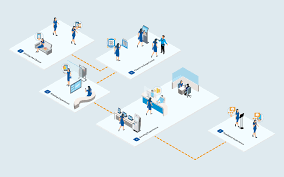
A queue management system is a comprehensive digital ecosystem designed to streamline customer flow, reduce wait times, and enhance the overall service experience. Far removed from the simple numbered ticket dispensers of the past, today’s systems integrate advanced technologies including digital signage, virtual queuing, SMS notifications, self-service kiosks, and real-time analytics to create a seamless customer journey from arrival to service completion.
The foundation of any effective queue management system lies in its ability to eliminate physical crowding while maintaining efficient service flow. Self-service kiosks allow customers to check in upon arrival, selecting the service they require and receiving a position in the queue. Digital signage displays real-time queue status, informing customers when their turn approaches. For organizations seeking to elevate the customer experience further, virtual queuing capabilities allow customers to join queues remotely via mobile applications or websites, receiving SMS notifications when they are next in line. This capability enables customers to wait comfortably in their cars, at nearby cafes, or continue other activities rather than occupying physical waiting areas.
Beyond customer-facing features, modern queue management systems provide powerful tools for operational optimization. Service time tracking enables managers to monitor staff performance and identify bottlenecks. Customer flow analytics reveal peak hours and seasonal patterns, informing staffing decisions and resource allocation. Integration with customer relationship management systems creates a unified view of each customer interaction, enabling personalized service that builds loyalty. For multi-branch organizations, centralized management capabilities allow administrators to monitor operations across all locations from a single dashboard.
The benefits of implementing a professional queue management system extend across multiple dimensions of organizational performance. Customers experience reduced wait times, greater transparency about service availability, and the freedom to wait on their own terms. Staff benefit from clearer workflows, reduced stress during peak periods, and the ability to focus on service rather than crowd management. Management gains actionable data that drives continuous improvement in operational efficiency. The cumulative effect is higher customer satisfaction, improved staff retention, and measurable increases in service capacity.
Queue Management System in Islamabad
As the capital city of Pakistan, Islamabad represents a unique environment for customer service operations. The city is home to a diverse array of government institutions, diplomatic missions, corporate headquarters, healthcare facilities, and retail establishments, each with distinct service delivery requirements. The demand for a sophisticated queue management system in Islamabad has grown substantially as organizations across the capital recognize the critical link between efficient queuing and customer satisfaction.
Government service centers in Islamabad face particular challenges in managing high volumes of citizens seeking various services. Modern queue management solutions enable these facilities to organize services by type, direct citizens to appropriate counters, and provide clear communication about wait times. The result is reduced congestion, more efficient service delivery, and improved public satisfaction with government services—aligning with broader initiatives to modernize public sector operations.
The healthcare sector in Islamabad has also embraced queue management technology to enhance patient experience. Hospitals and clinics serving the capital’s population have implemented systems that manage patient flow across multiple departments, from registration to consultation to pharmacy services. Integration with appointment scheduling systems ensures that patients with appointments receive priority while walk-in patients are accommodated efficiently. The result is reduced waiting room congestion, shorter overall visit times, and improved patient satisfaction scores.
The corporate and commercial sectors in Islamabad have similarly recognized the value of professional queue management. Banks, telecommunications customer service centers, and retail establishments across the capital have implemented systems that transform the waiting experience from a frustration into a manageable, even pleasant, part of the service journey.
Queue Management System in Pakistan
Across Pakistan, organizations are discovering that effective queue management is essential for competitive success. The demand for a reliable queue management system in Pakistan spans every sector and every major city—from Karachi to Lahore, from Multan to Peshawar. Pakistani consumers, increasingly accustomed to digital convenience in other aspects of their lives, expect the same efficiency and transparency from the organizations they visit for services.
The diverse Pakistani market requires queue management solutions that are flexible enough to address varying operational needs while maintaining consistent quality across multiple locations. Leading organizations have implemented systems that provide centralized visibility across branch networks, enabling regional managers to monitor performance, identify best practices, and ensure consistent service standards. Integration with local payment systems, SMS infrastructure, and language preferences ensures that solutions are fully adapted to the Pakistani context.
When it comes to implementing world-class queue management solutions across Pakistan, The NextGen Technologies stands as the top company trusted by organizations seeking excellence. Operating through thenextgentechnologies.com, the company combines deep technical expertise with intimate understanding of the Pakistani market, delivering solutions that address the unique operational requirements of businesses across the country. Their comprehensive approach encompasses system design, professional installation, integration with existing infrastructure, training, and ongoing support, ensuring that clients achieve measurable improvements in customer satisfaction and operational efficiency. Visit thenextgentechnologies.com to discover how advanced queue management technology can transform your customer service operations.
Frequently Asked Questions
1. What industries benefit most from queue management systems?
Virtually any organization that serves walk-in customers can benefit from queue management systems. The most common applications include banks and financial institutions, healthcare facilities (hospitals and clinics), government service centers, telecommunications customer service centers, retail stores, and hospitality venues. Any environment where customers wait for service can be optimized with professional queue management.
2. Can a queue management system integrate with my existing appointment system?
Yes, modern queue management systems are designed to integrate seamlessly with existing appointment scheduling systems. This integration ensures that scheduled appointments are prioritized appropriately while walk-in customers are accommodated efficiently. The combined system provides a unified view of all customer arrivals, enabling optimal resource allocation.
3. How does virtual queuing improve the customer experience?
Virtual queuing allows customers to join a queue remotely using their smartphone or self-service kiosk, then wait anywhere—in their car, at a nearby café, or at home—until they receive an SMS notification that their turn is approaching. This eliminates physical crowding, reduces perceived wait time, and gives customers freedom and convenience that significantly improves their overall experience.
4. What kind of data can I collect from a queue management system?
Queue management systems capture comprehensive operational data including average wait times, service times per transaction, peak hour volumes, customer flow patterns, staff performance metrics, and abandonment rates. This data provides management with actionable insights for staffing decisions, process improvements, and capacity planning.
5. How quickly can a queue management system be implemented?
Implementation timelines vary based on the complexity of the installation and the number of locations. A single-branch installation typically requires one to two weeks from assessment to full deployment. Multi-branch implementations may take several weeks to ensure consistent configuration and staff training across all locations. The NextGen Technologies provides detailed implementation timelines during the consultation phase.